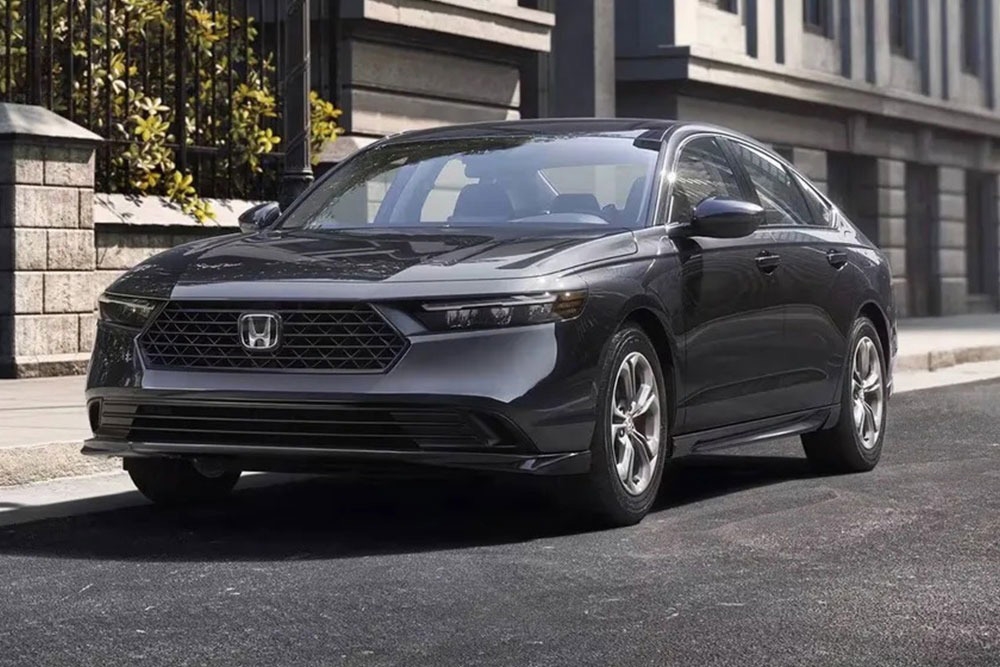
2026 Honda CR-V vs. 2026 Nissan Rogue
Quick Summary
The 2026 Honda CR-V surpasses the 2026 Nissan Rogue with a more responsive turbocharged engine, superior hybrid efficiency, and a roomier rear seat. The Rogue counters with bold exterior styling, a lower base price on certain trims, and Nissan's comprehensive driver-assist technology suite. Families prioritizing fuel savings and passenger comfort will prefer the CR-V. Budget-conscious buyers who value edgy design may lean toward the Rogue. Both handle daily duty capably but differ in refinement.
Engine response separates good SUVs from great ones. The 2026 Honda CR-V vs. 2026 Nissan Rogue contest exposes a clear gap in how these two machines gather speed. One surges forward with confident urgency. The other hesitates just enough to notice. Your patience level during highway merges should guide this choice.
We see the frustration in drivers who settled for less engine than they needed. A test drive reveals these differences in the first three stoplights. Get into a 2026 Honda CR-V and feel instant throttle response.
At Great Lakes Honda West, we answer tough questions before you ever sign paperwork. Our honest approach has earned trust from Lorain County families for years. The Honda car dealer in Elyria OH that puts your satisfaction above sales quotas.
Throttle Response and Acceleration
Honda's turbocharged engine jumps to attention the moment you press the pedal. The rush builds early and stays strong through the middle rev range. Merging into fast traffic requires a gentle squeeze rather than a stomp.
Nissan uses a three-cylinder turbo that needs a beat to gather itself. The variable compression system prioritizes efficiency but feels hesitant off the line. You learn to plan passing maneuvers a moment earlier.
Transmission Behavior in Daily Use
The CR-V's continuously variable transmission mimics gear changes so naturally you forget it is a CVT. It responds predictably whether you are creeping through parking lots or charging uphill.
The Rogue's CVT drones under hard acceleration like a blender on high speed. Nissan improved the tuning but the rubber-band sensation persists. You notice it most when climbing long highway grades.
Cabin Quietness and Road Isolation
Honda packed sound-absorbing material into door panels and floorboards generously. Wind noise stays outside where it belongs even at highway speeds. Your podcast remains clear without cranking the volume.
Nissan allows more tire roar to penetrate the cabin on coarse pavement. The engine note rises to an unflattering pitch during hard acceleration. These noises accumulate fatigue during long drives.
Seat Comfort and Long-Distance Support
The CR-V front seats cradle your back with just enough support without feeling hard. You climb out fresh after a five-hour drive. The rear bench angle keeps passengers from slouching uncomfortably.
Nissan's much-advertised Zero Gravity seats work well for short trips. Some drivers find them too soft for extended highway cruising. Seat comfort remains deeply personal but Honda's balance pleases more body types.
Rear Passenger Accommodations
Honda carved out legroom that lets six-footers cross their legs behind tall drivers. The nearly flat floor means the middle passenger sits without straddling a hump. Carpool duty becomes dramatically less stressful.
The Rogue back seat offers adequate space for average adults. Three across feels tighter due to the narrower cabin width. The seat cushions sit lower which angles knees upward awkwardly.
Hybrid Availability and Fuel Costs
The CR-V hybrid option transforms fuel bills for high-mileage drivers. Electric propulsion handles most parking lot and stoplight maneuvers. The gas savings compound meaningfully month after month.
Nissan offers no Rogue hybrid at this time. The three-cylinder engine sips fuel on highways but cannot match the CR-V's city efficiency. This absence limits choices for eco-conscious buyers.
Steering Weight and Parking Ease
Honda tunes its steering with a light effort at low speeds and weight that builds naturally. Parallel parking feels effortless. The wheel firms up progressively as speeds rise.
Nissan's steering feels artificially light and stays that way at all speeds. It makes tight parking simple but feels disconnected on curvy roads. You never develop confidence in the front grip.
Interior Storage and Family Utility
The CR-V center console swallows a tablet, handbag, and water bottles simultaneously. Door pockets accommodate large reusable water bottles easily. These thoughtful storage touches simplify family chaos.
The Rogue offers clever dividers in the cargo area but smaller front-seat storage spots. Daily clutter accumulates faster when cubbies fill quickly. Honda's practical design wins the daily usability battle.
FAQs
Which SUV Gets Better Real-World Fuel Economy?
The Honda CR-V hybrid dominates city fuel efficiency. The Nissan Rogue trails in all driving conditions without an electrified option.
Is The Nissan Rogue Engine Reliable Long-Term?
Nissan's three-cylinder turbo is newer and less proven than Honda's established powertrain. Honda's engine family has demonstrated durability across many years.
Which Vehicle Has Better Resale Value?
Honda traditionally holds resale value longer than Nissan. The CR-V typically retains more equity at trade-in time.
Does The Rogue Offer Better Technology?
Nissan packs more standard driver-assist features on base trims. Honda offers a more polished infotainment experience on higher trims.
Drive The CR-V At Great Lakes Honda West
Visit Great Lakes Honda West to browse our selection of new Honda cars for sale in Elyria OH. Our finance specialists build loan terms that align with your financial goals. Check our Honda lease deals in Elyria OH for low monthly payments on a brand-new CR-V. Great Lakes Honda West serves drivers from Oberlin to Sandusky with straightforward pricing and real expertise.